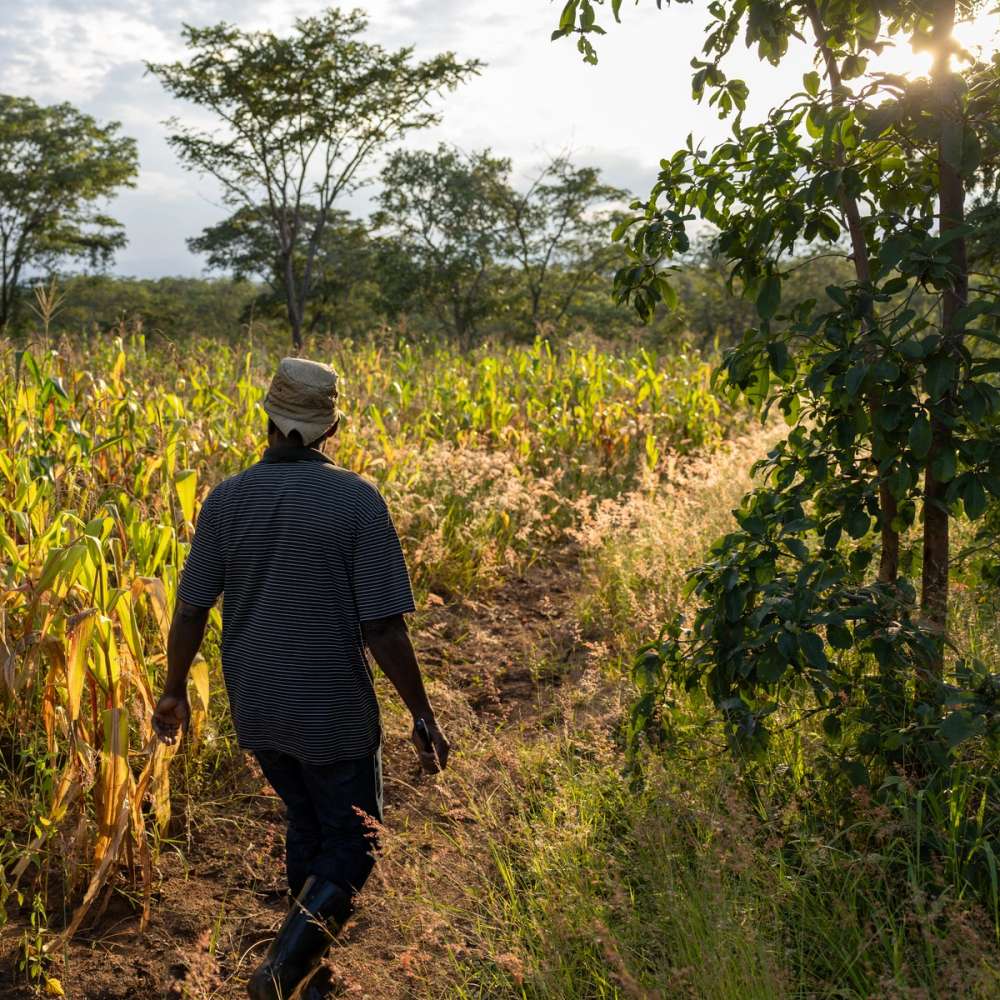
What is ERW?
Turning farmlands into carbon sinks
ERW leverages a natural process to deliver durable, cost-effective carbon removal and resilience.
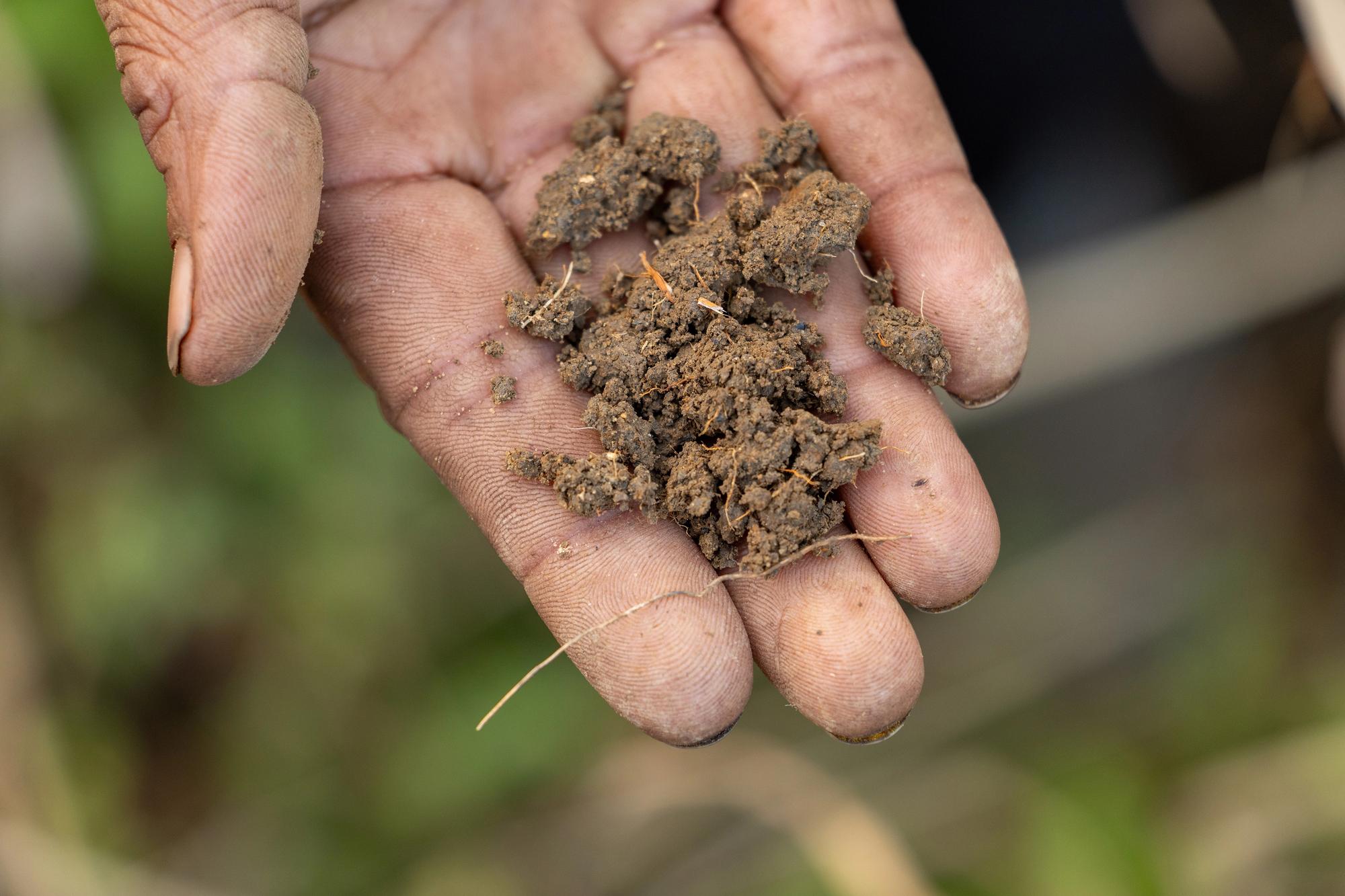
In tropical smallholder soils, basalt restores essential minerals, improves soil chemistry, and strengthens crop resilience—boosting productivity while permanently removing CO₂ from the atmosphere.
Why ERW?
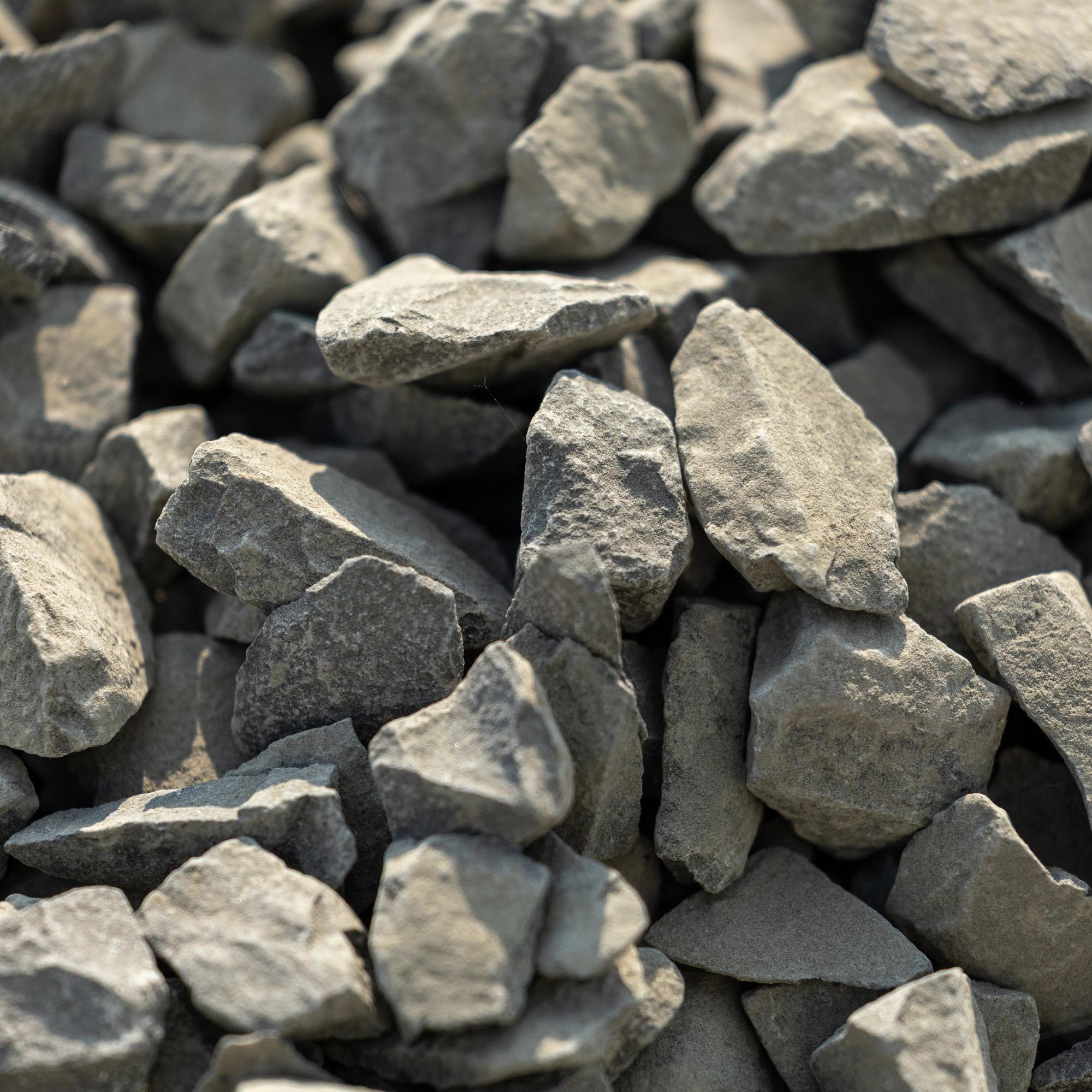
Natural
Rock weathering has removed CO₂ for billions of years. Mati accelerates this process to tackle today’s excess carbon dioxide.
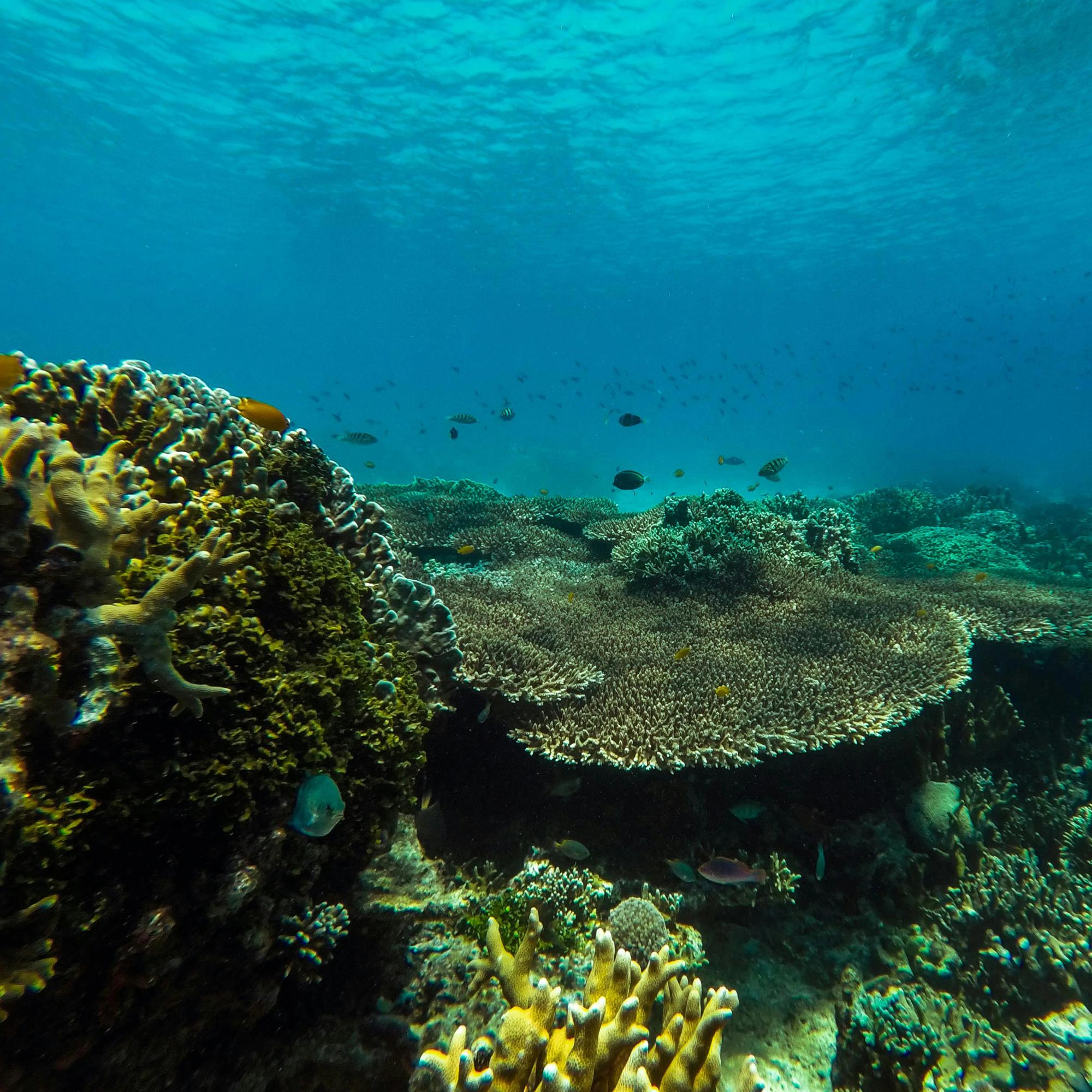
Durable
ERW locks carbon in oceans and aquifers for 10,000+ years, ensuring long-term removal.
Backed by science
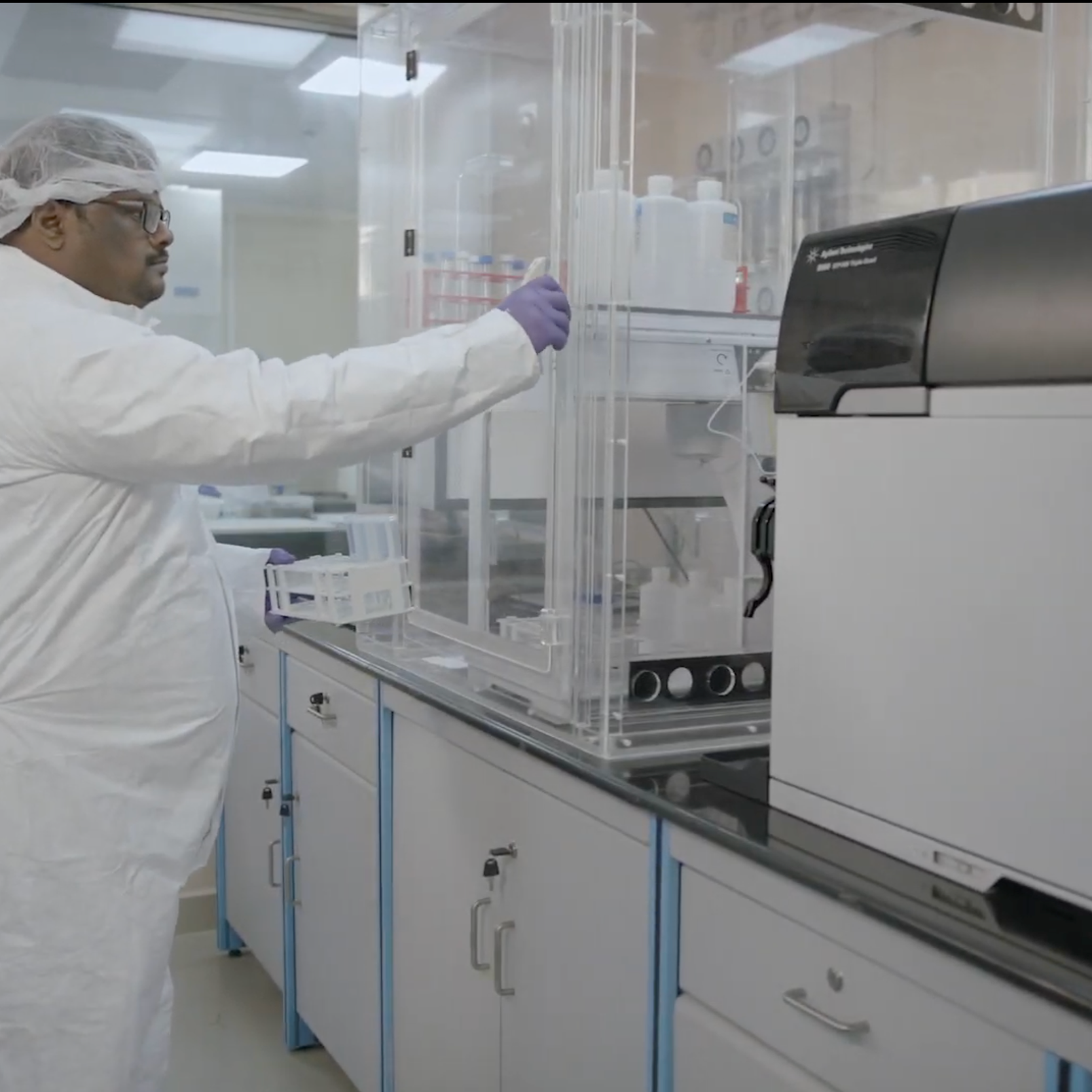
Mati’s MRV system, developed with global scientists, sets the standard for measuring ERW.
Impactful
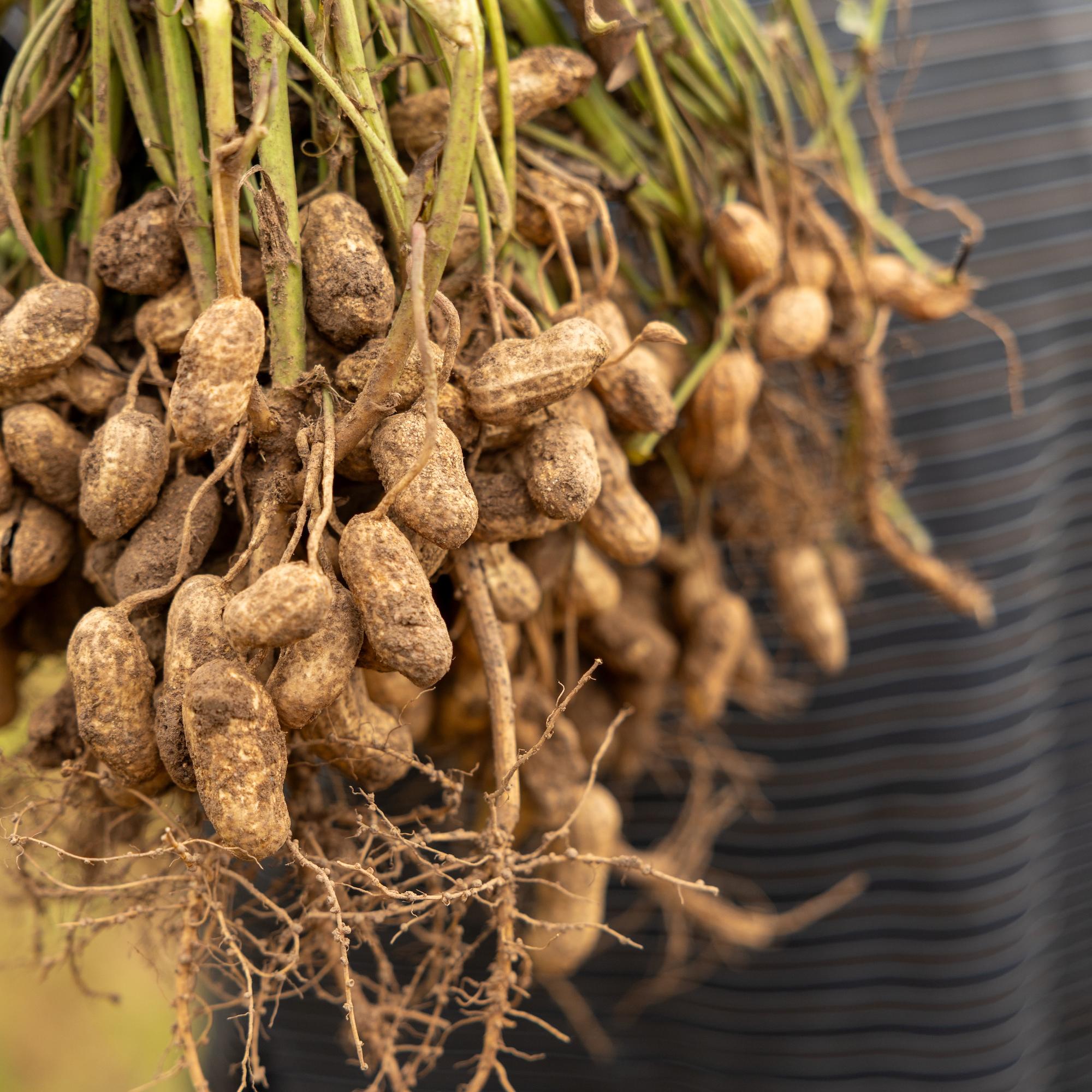
Our model delivers this free of cost to smallholder farmers, boosting agronomic productivity while removing carbon dioxide.
The need for ERW as a durable carbon removal solution
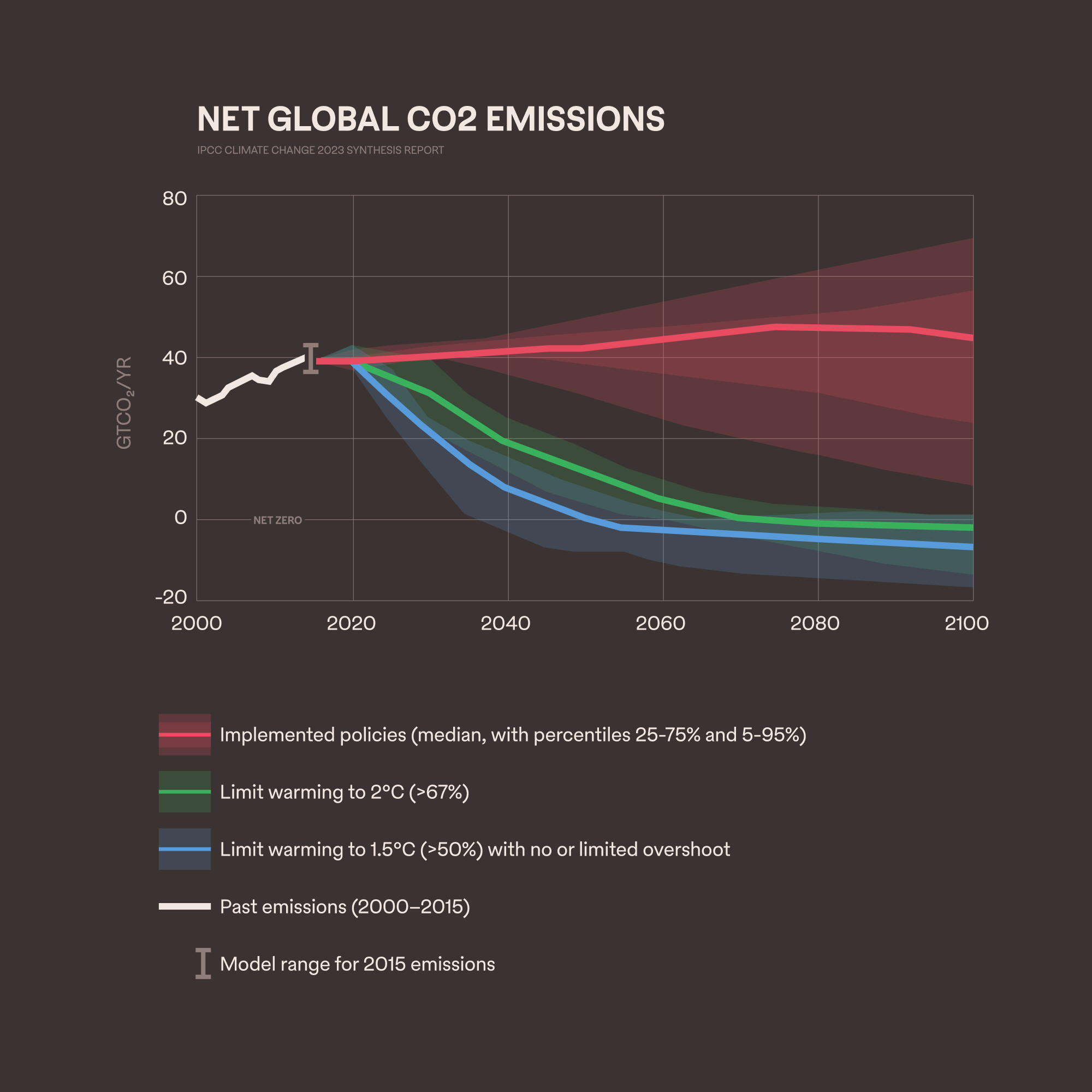
Mitigation alone is not enough. Even if emissions stopped today, atmospheric CO₂ would remain dangerously high for centuries. The Intergovernmental Panel on Climate Change estimates that 5–10 gigatons of CO₂ must be removed annually by 2050 to meet climate targets. These removals must be durable, measurable, and scalable.
Enhanced Rock Weathering (ERW) delivers this by accelerating a proven natural carbon sink.
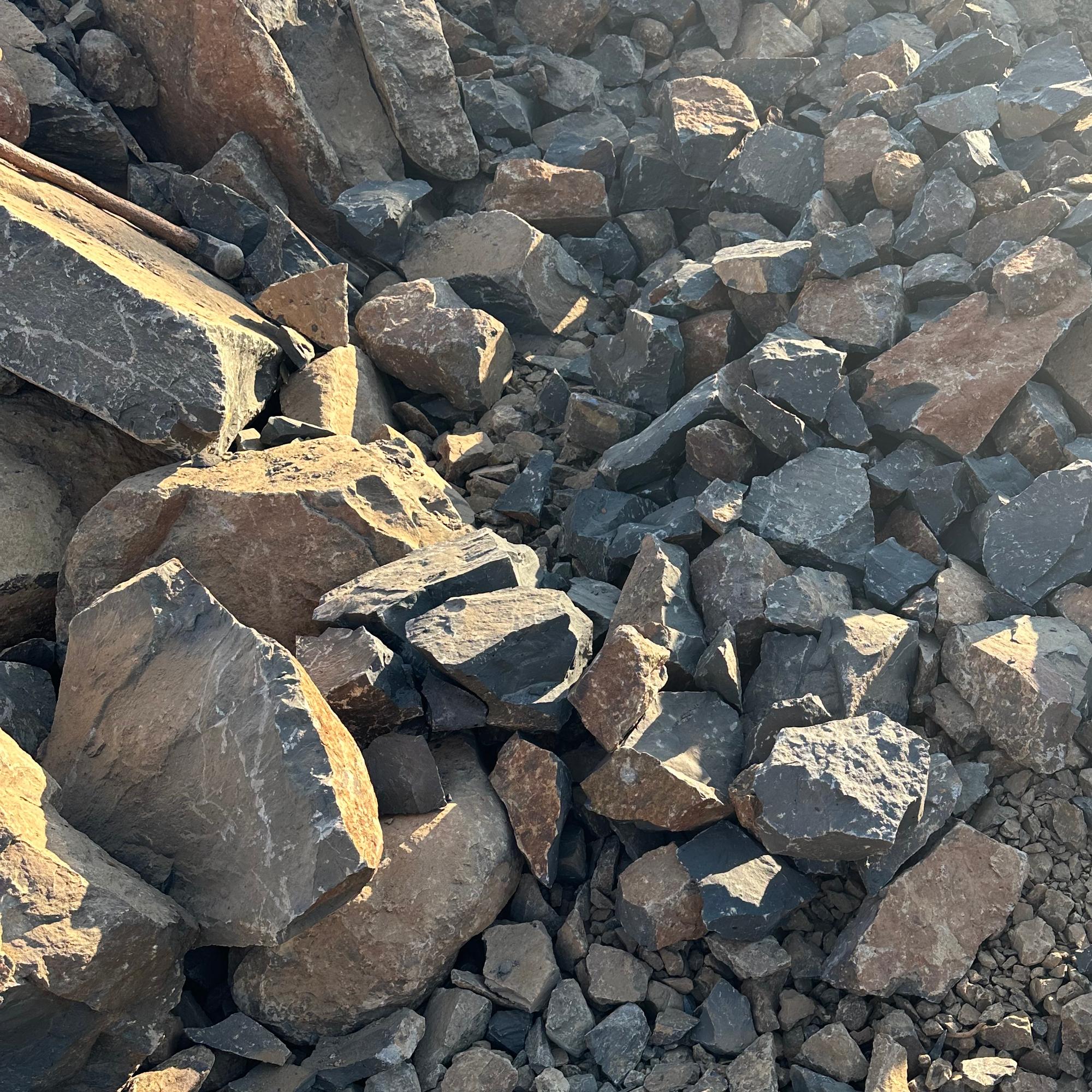
In nature, silicate rocks react with CO₂ and water to form bicarbonate (HCO₃⁻). These bicarbonate ions move through soils, rivers, and aquifers to the ocean, where carbon is stored for over 10,000 years. ERW speeds up this process by applying finely crushed basalt—a calcium–magnesium silicate—to soils, dramatically increasing reaction rates through greater surface area.